Why Is My Whole House Water Filter Turning the Water Black? Causes and Fixes
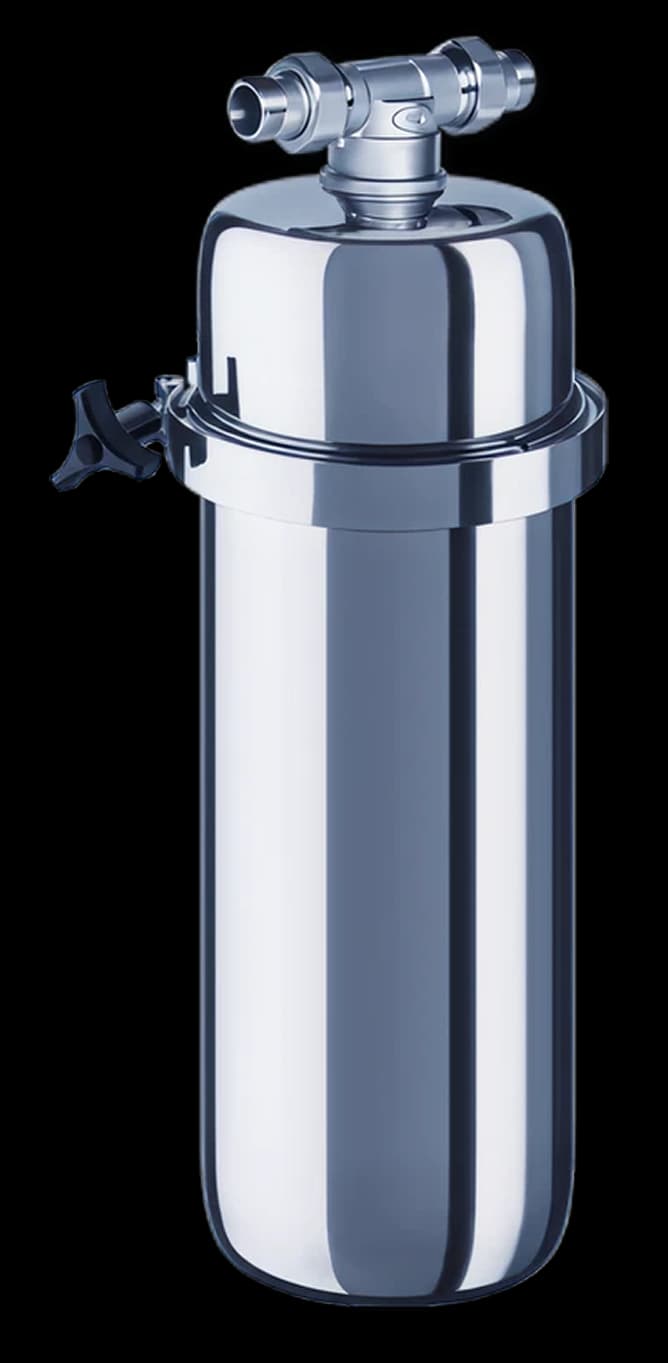
Black water from a tap connected to a whole-house filter is alarming. It is, in most cases, not dangerous — but it should not be dismissed. The cause is almost always identifiable and fixable without a plumber. This article covers the five most common causes of black or very dark water from a whole-house filter, how to diagnose which applies to your situation, and how to resolve each one.
Cause 1 — Carbon Fines From a New Cartridge
The most common cause of black water immediately after installing a new filter cartridge is carbon fines — microscopic particles of activated carbon that are loosely attached to the cartridge media and flush out in the first water drawn through the system. These are harmless (food-grade activated carbon is used in food processing) but visually alarming.
Carbon fine flushing is why the installation and cartridge replacement guides specify a five-minute flush before using the filtered water for drinking. If you skipped the flush or the flush was not long enough, carbon fines will appear at the tap when you first draw filtered water.
Fix: run a cold tap downstream of the filter continuously for at least five to ten minutes. The blackness will clear as the fines are flushed out. Once the water runs clear, normal use can resume.
Cause 2 — Manganese in the Water Supply
Manganese (Mn) is a naturally occurring mineral found in some groundwater supplies and, at lower concentrations, in some municipal supplies. In water, manganese is colourless when dissolved. When it contacts oxygen — as happens in an aerating tap or on the inside surface of the filter housing — it oxidises rapidly to manganese dioxide, which is a black solid.
Black manganese deposits can appear on the inside of the filter housing sump, on the cartridge surface, and in the water drawn from the filter. If the blackness persists after flushing a new cartridge, and particularly if you see black staining on the inside of the housing sump, manganese is a likely culprit.
To confirm: obtain a water quality test (home test kit or laboratory analysis) that includes manganese. The WHO guideline value for manganese in drinking water is 0.08 mg/L. Most European municipal supplies are well below this level, but private wells and some surface water supplies can exceed it. If manganese is confirmed, a dedicated manganese filter stage (such as a greensand or birm media pre-filter) upstream of the main filter is the appropriate response.
Cause 3 — Biofilm or Bacterial Growth in a Stagnant System
If the filter system has been left without water flowing through it for an extended period (several weeks without use), or if the cartridge has been in the housing well beyond its rated service life, bacterial biofilm can develop on the cartridge surface and in the housing interior. When water flow resumes, this biofilm can dislodge and appear as dark, slightly slimy discolouration in the water.
Fix: replace the cartridge immediately if it is overdue. Flush the housing with a dilute food-safe sanitiser (such as food-grade hydrogen peroxide solution at the concentration specified in the installation guide). Rinse thoroughly before installing a new cartridge. If the property has been unoccupied and the filter stagnant for more than 6 weeks, this sanitisation step should precede any cartridge replacement.
Cause 4 — Black Rubber O-Ring Particles
If the O-ring between the sump and housing body has degraded — cracked, chipped, or partially disintegrated — small black rubber particles can enter the water stream. This is most common when petroleum-based lubricants (not recommended) have been used on the O-ring, or when the O-ring is well beyond its service life.
To identify: inspect the O-ring during the next cartridge service. A degraded O-ring will show visible cracking, surface damage, or loss of elasticity. The particles in the water will be irregular, slightly soft (rubber), and black. Carbon fines, by contrast, are very fine powder.
Fix: replace the O-ring with the spare provided in the system box. Always use food-safe silicone grease on the new O-ring — not petroleum jelly or plumber's grease, which degrades rubber compounds.
Cause 5 — Pipe Corrosion Upstream of the Filter
Old steel or iron pipe upstream of the filter housing can corrode internally, introducing iron oxide (rust) and, in some cases, manganese deposits into the water. Iron oxide produces reddish-brown or black discolouration depending on the oxidation state. This contamination enters the filter from upstream — the filter does not cause it, but the housing may accumulate the deposits and release them in bursts.
To identify: the discolouration will be present in water throughout the house, not just from the filtered outlets. Check whether unfiltered outlets (garden taps, pre-filter taps) also show discolouration. If so, the problem is upstream of the filter. Have the pipe inspected — old iron supply pipes may need replacement.
A particle pre-filter upstream of the fine filter (Essential Plus configuration) will capture rust particles before they reach the fine filter cartridge, protecting cartridge life while the pipe condition is being assessed. It does not eliminate the underlying pipe corrosion issue.
When to Call a Professional
Call a plumber or water quality professional if: the black water does not clear after a thorough flush of a newly installed cartridge; if a water test confirms manganese above WHO guidelines and a dedicated treatment stage is needed; or if inspection of the upstream pipe suggests significant internal corrosion requiring pipe replacement. In these cases, the filter is not the source of the problem — the incoming water quality or the pipe infrastructure is.
Annual cartridge replacement is the single maintenance task — and it takes ten minutes. Keep your system running clean.
Order the Swiss Water CartridgeRelated Resources
Frequently Asked Questions
Is black water from a new filter dangerous to drink?
If the cause is carbon fines from a new cartridge, no — food-grade activated carbon is harmless. Do not drink until the water runs clear after flushing (5–10 minutes). If the cause is manganese, bacterial biofilm, or pipe corrosion, do not drink the water until the source of contamination has been identified and resolved.
How long should the black colour take to clear after a new cartridge?
Carbon fines from a new cartridge typically clear within 2–5 minutes of continuous flushing at full flow. If the water does not clear after 10 minutes of continuous flushing, carbon fines are not the only issue — check for the other causes listed above.
Why did the black water start months after installation, not immediately?
If the discolouration starts after a period of normal clear filtered water, the cause is unlikely to be carbon fines (which only appear in the first flush). More likely causes are manganese oxidation accumulating in the housing, biofilm development from reduced water use (holiday period), or O-ring degradation. Inspect the housing and run a water test for manganese.
Does the Mam Nature cartridge use activated carbon?
The amyloid fine filter cartridge is a hybrid of amyloid protein fibrils and activated carbon. The activated carbon component can produce minor carbon fines on first flush — this is expected and normal. The five-minute flush specified in the installation guide addresses this. The amyloid fibril component does not produce visible fines.
Can I drink slightly grey or faintly cloudy water from a new cartridge?
Slight cloudiness (dissolved air) is harmless and clears in 1–2 minutes. Faint grey colour from carbon fines: flush for 5–10 minutes before drinking. Black or visibly dark water: do not drink — flush thoroughly first and confirm the cause.