Disadvantages of Whole House Water Filters — Honest Assessment
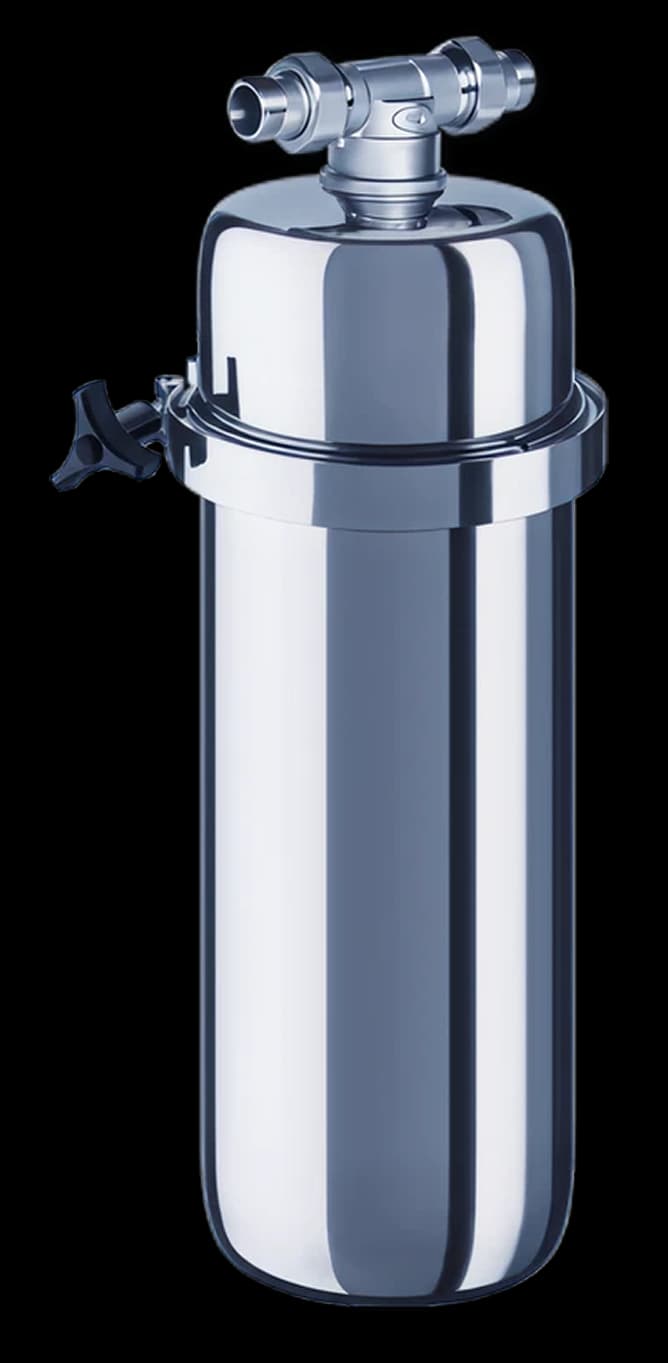
A whole-house water filter is not the right solution for every household. Before purchasing, it is worth being clear about what the downsides are — the upfront cost, the installation requirements, the ongoing maintenance, and the specific limitations of point-of-entry filtration compared to point-of-use alternatives.
This article presents the genuine disadvantages of whole-house water filters honestly, alongside the context that determines whether each limitation matters for your specific situation. The goal is a clear picture, not a balanced list padded to sound even-handed.
Upfront Cost Is Significantly Higher Than Point-of-Use
A kitchen under-sink filter or a filtered pitcher costs €50–300. A whole-house point-of-entry system costs €500–3,500 depending on what the system includes. The Mam Nature range spans from the Essential (€1,090) to the Complete Set Plus (€3,598). For households whose concern is drinking water quality at one tap, a point-of-use filter costs a fraction of the whole-house equivalent and is easier to install.
The case for whole-house filtration is stronger when: contaminants are present that are absorbed through skin (dermal route) or inhaled as steam; when there are young children in the home who bath frequently; when the concern extends to appliance protection (limescale, sediment) not just drinking water; or when filtered water at every outlet is a priority rather than just the kitchen tap.
Installation Requires Cutting Into the Mains Supply
A whole-house filter must be installed inline on the main cold water entry pipe. This requires cutting the pipe, fitting a bypass valve, and mounting the housing. For a competent DIYer on accessible copper or PEX pipe, this is an afternoon's work. For households with lead pipe, inaccessible supply, or limited DIY confidence, it requires a plumber — adding €100–250 to the installation cost.
In rented properties, cutting into the mains supply requires written landlord consent in most European jurisdictions. Many landlords refuse. A whole-house filter is essentially impractical for renters without landlord agreement.
Flow Rate Can Drop If the System Is Undersized
Water flowing through a filter cartridge experiences resistance. A correctly sized system at a clean cartridge shows no noticeable pressure drop under normal household demand. However, if the system is undersized for peak demand (running a shower, a washing machine, and a dishwasher simultaneously), or if the cartridge is approaching saturation and flow resistance is increasing, pressure at distant taps can drop.
This is addressable through correct sizing: the Mam Nature systems are rated at 25 litres per minute, which covers normal peak demand for a family of four. But it is worth verifying the rated flow of any whole-house system against your household's actual peak demand before purchasing. A system rated for 15 litres per minute will show pressure drop in a high-demand household.
The Cartridge Needs Annual Replacement
Every filter cartridge has a finite capacity. Once the adsorption or filtration media is saturated with captured contaminants, it stops providing protection. For the Mam Nature amyloid cartridge, the annual replacement schedule is 12 months for a household of four on municipal water.
The annual cartridge cost (€149 for the Mam Nature Swiss Water Cartridge) is the ongoing cost of ownership. This compares favourably to pitcher filter replacement costs (€40–80/year) at per-volume terms, given that the POE filter treats all household water rather than just a few litres per day. But it is a real cost that must be budgeted and the replacement must be done — a neglected, saturated cartridge provides no filtration and may actually release captured contaminants back into the water.
It Does Not Address All Water Problems
Point-of-entry filtration addresses what is dissolved or suspended in the incoming mains water. It does not address contamination that enters the water after the filter: copper leaching from the household pipework (especially in older properties), lead from internal plumbing, or bacterial growth in hot water systems or stored tanks. If your concern is internal plumbing contamination, a point-of-use filter at the kitchen tap may address it more directly.
Similarly, a whole-house filter does not soften water unless it includes a dedicated anti-limescale component (such as the Water LIME in the Mam Nature Complete Set). The amyloid cartridge has controlled test results for seven named PFAS, named metals and free residual chlorine; the public report does not include microplastics. It does not change water hardness or prevent limescale in appliances.
Hot Water Is Not Filtered
Point-of-entry filters are installed on the cold mains supply. Hot water passes through a boiler or water heater, which adds heat but also a potential contamination source (scale, boiler materials, bacteria in stored hot water tanks). The filter does not treat the hot water circuit. In practice, hot water is not used for drinking, so this limitation primarily affects households concerned about bathing in hot water.
For households with a combi boiler that heats water on demand from the mains, the mains water is filtered before it enters the boiler. This is the most common residential setup in Europe and means the filtered cold water is what enters the heating system — but the hot water output post-boiler is not re-filtered.
It Will Not Improve Already-Good Water
Municipal water in Switzerland, Germany, Austria, and Scandinavia is among the highest-quality public water supply in the world. In regions where PFAS levels are consistently below detection limits and hardness is low, the measurable benefit of whole-house filtration is limited. The investment is more justifiable in areas with documented PFAS contamination, above-average hardness, elevated chlorine disinfection byproducts, or known industrial contamination in the catchment area.
Before purchasing, access your municipal water utility's annual quality report (DVGW in Germany, SUVA/cantonal lab reports in Switzerland). These are public documents that list the actual measured concentrations of regulated contaminants in your supply. If the numbers are well within limits and PFAS is not a local concern, the case for whole-house filtration is weaker.
Every Mam Nature system includes a bypass valve, illustrated installation guide, and all hardware — designed for a straight forward DIY install.
View the Essential FilterRelated Resources
Frequently Asked Questions
Does a whole house filter reduce water pressure?
At a clean cartridge and correct sizing, a properly installed system should show no noticeable pressure reduction. As the cartridge ages and approaches saturation, flow resistance increases. If you notice pressure drop before the annual replacement date, it is a sign the cartridge has reached capacity — replace it early. Correct sizing for your household's peak demand is the main factor in avoiding pressure issues.
Can renters install a whole house water filter?
Not without written landlord consent in most European countries. Cutting into the mains supply is a permanent modification to the property's plumbing. Some landlords agree; most prefer not to. For renters, an under-sink point-of-use filter or a countertop unit is the practical alternative — no mains modification required.
What happens if I forget to replace the cartridge?
A saturated cartridge stops providing filtration — contaminants pass through without capture. There is no visual warning. Some contaminants (particularly PFAS) can also desorb from a heavily saturated carbon medium, releasing captured compounds back into the filtered water. Annual replacement on schedule is the practical safeguard. Set a calendar reminder at the time of installation.
Is a whole house filter worth it for good-quality municipal water?
This depends on what "good quality" means at your specific address. Regulatory compliance does not equal absence of PFAS — the EU total PFAS limit (0.5 µg/L) was only enacted in 2021 and some utilities are still bringing levels into compliance. Check your utility's most recent quality report for PFAS measurements specifically. If PFAS is below detection limits and your water meets all standards comfortably, the case for whole-house filtration rests more on preference than documented need.
How does a whole house filter compare to a pitcher filter?
A pitcher filter costs less and is simpler to use — no installation required. It treats only drinking water at one point. A whole-house filter treats all water in the home, is always in line (no filling required), and addresses dermal and inhalation exposure paths as well as ingestion. For households with young children, documented PFAS in the supply, or a concern about bathing water quality, the whole-house approach provides broader protection. For a single adult focused on drinking water taste, a pitcher is a proportionate solution.